English
  Deutsch
  Español
  Italiano
  Български
  简体中文
简体中文  Polski
  Nederlands
  Dansk
Dansk  Svenska
  Français
  Português
  Ελληνικά
  Català
  Română
  Suomi
Suomi  Čeština
  Magyar
Hospitality
Accessibility for travel & hospitality
Give every visitor the power to plan, book, and explore. The solution that simplifies accessibility and compliance for your travel website.
Schedule scans & alerts
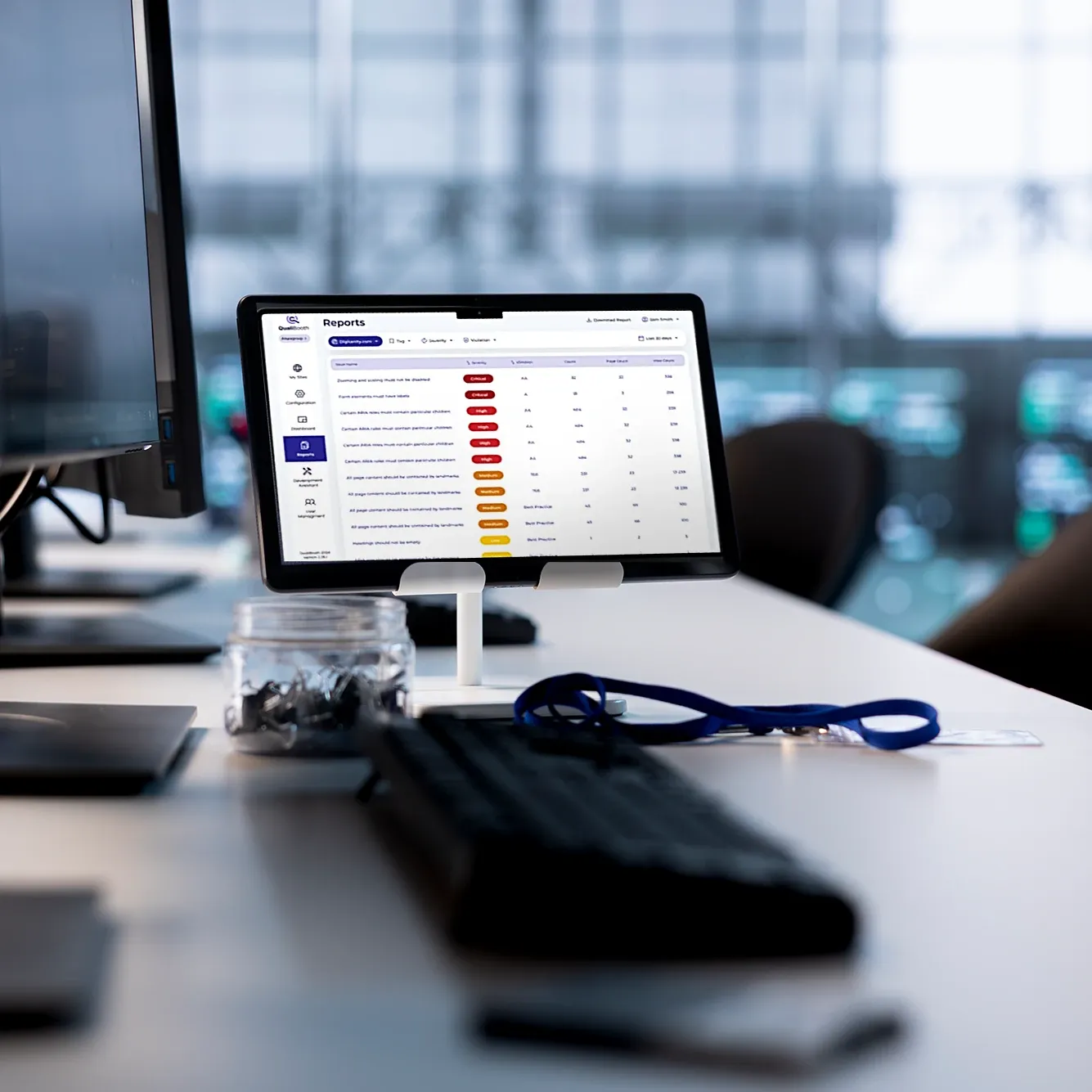
Daily automated monitoring detects issues the moment they appear — including on dynamically updated listings, rates, and room details.
Secure access
Scan and report issues behind log-ins and booking flows, keeping all guest data protected at all times.
Documentation & statements
Generate Accessibility Statements, compliance documentation, and reports — ready for audits or guests.
Team & developer-oriented
Easy collaboration for in-house fixes, code review, and prioritized remediation of accessibility issues.
World-class security
Supports industry-standard encryption, secure protocols, and compliant handling of traveler data.
Why accessibility matters in travel
Accessibility is not just compliance — it’s inclusivity and experience.
- $58.2B spent annually on travel by people with mobility disabilities in the US alone.
- 96% of travelers with mobility disabilities have faced an accommodation problem while traveling.
- 20%+ of all travelers have some kind of accessibility requirement — and they tend to book premium options.
- 33.4M disabled travelers projected in the US by 2028, nearly tripling from 2019.
Under ADA Title III, travel websites — including hotel booking platforms, airlines, tour operators, and OTAs — are considered places of public accommodation. Digital services must be accessible and compliant with WCAG 2.1 Level AA. In Europe, the European Accessibility Act (EAA) came into full effect in June 2025, adding an additional compliance layer for any company serving EU customers.
Critical features booking sites must make accessible
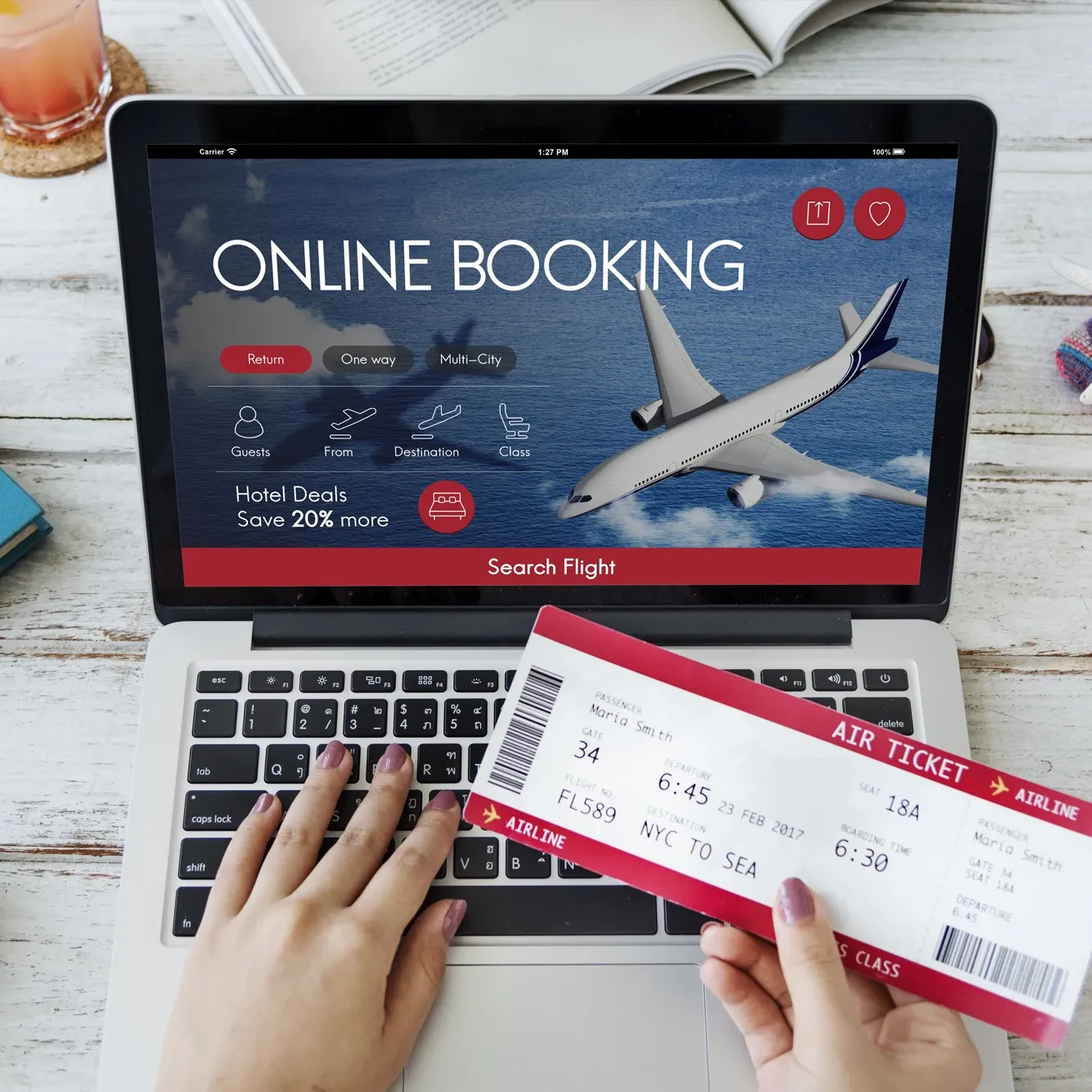
To serve all travelers, every interaction in the booking journey needs to be fully accessible. Without it, users — especially those with visual impairments, limited dexterity, or older adults — may be unable to complete a reservation.
- Account log-ins and guest portals
- Date pickers and availability calendars
- Room selection and photo galleries
- Reservation and contact forms
- Payment flows and confirmation screens
- Filters, maps, and search results
- Accessibility feature filters (e.g. wheelchair access)
- Pop-ups, modals, chat widgets, and menus
Turn compliance into more bookings
Accessible travel experiences are not only legally required — they also drive direct bookings, trust, and long-term loyalty. Travelers with accessibility needs are more likely to book premium options, return to brands they trust, and recommend them to others.
- Capture a high-value, underserved market — Travelers with disabilities spend $58.2B/year on travel and book at similar frequency to non-disabled travelers, but most travel websites still exclude them.
- Stay ahead of ADA, EAA, and WCAG requirements — Travel websites rank among the highest sectors for accessibility violations and legal complaints. Proactive compliance reduces legal exposure.
- Build traveler trust before the trip begins — An accessibility statement and a usable booking flow tells guests with disabilities: “You’re welcome here” — before they’ve even packed.
- Increase direct bookings and reduce drop-off — Inaccessible booking flows lose customers. Accessible design keeps every type of traveler moving through your funnel to confirmation.
Frequently asked questions
Do travel websites have to comply with accessibility laws?
Yes. Under ADA Title III, travel websites including hotel booking platforms, airlines, tour operators, and OTAs are considered places of public accommodation and must be accessible. In Europe, the EAA adds compliance requirements for any company serving EU customers.
What WCAG level is required for travel and hospitality?
WCAG 2.1 Level AA is the de facto standard referenced by both the ADA and the European Accessibility Act.
Why is accessibility important for hospitality businesses?
Travelers with disabilities spend $58.2 billion annually on travel and tend to book premium options. Accessible booking flows capture this market while reducing legal risk from ADA and EAA violations.
Accessibility made simple
QualiBooth provides automated scanning, monitoring, and expert recommendations tailored for your industry.